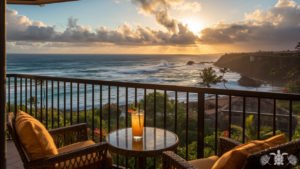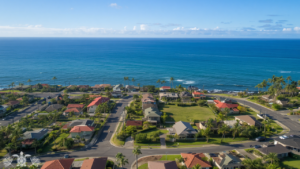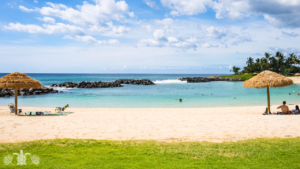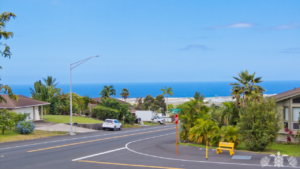

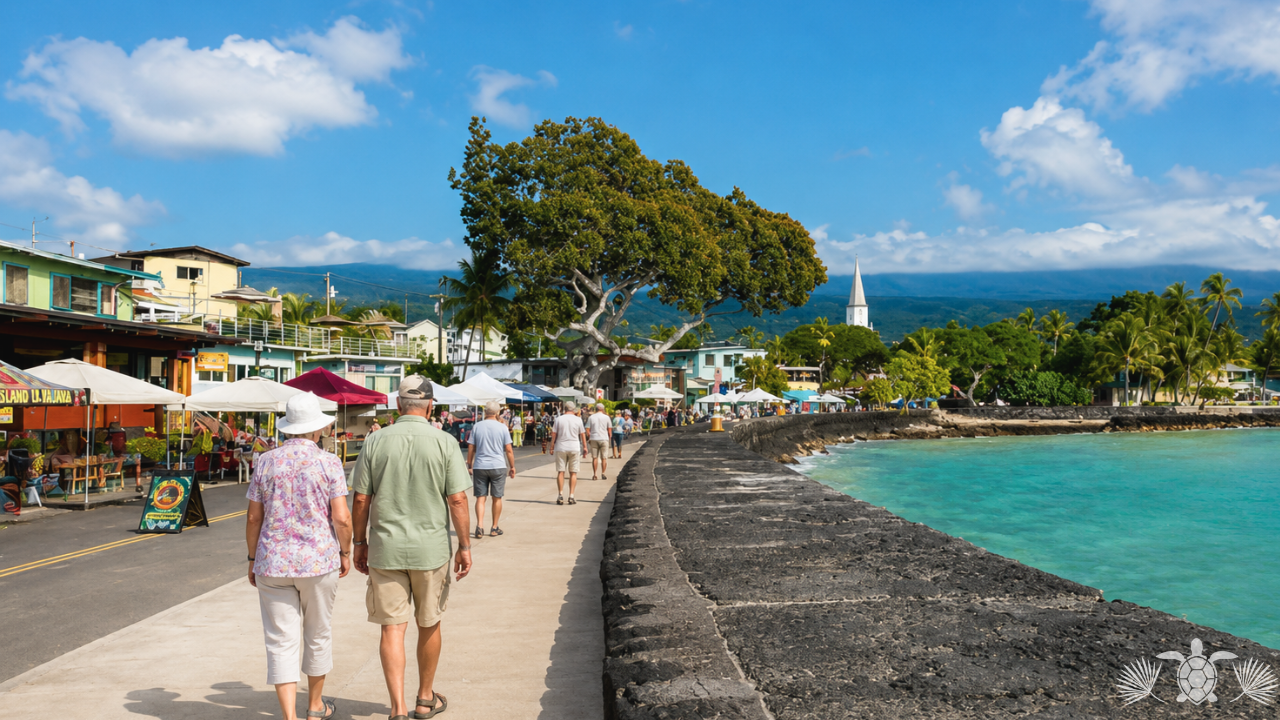
What does your ideal retirement actually look like on a Tuesday afternoon on one of the Kona neighborhoods?
Not the version from the brochure. Not the stock photo of someone holding a coconut on a beach. The real version — the one where you have figured out what truly matters to you after decades of building a career, raising a family, and earning the right to choose exactly how and where you want to spend the next chapter of your life.
I ask that question because Kona neighborhoods are not interchangeable. The retiree who thrives in a Keauhou condo community is a completely different person from the one who belongs on a half-acre coffee farm above Holualoa. And both of them are completely different from the couple who discovers that Waimea is actually the retirement destination they never knew they were looking for.
I have been helping retirees find their place on the West Big Island for years, and the ones who end up happiest are almost always the ones who took the time to understand what each Kona neighborhood actually offers before they fell in love with a listing photo. This guide is designed to give you that understanding — honestly, specifically, and without the generic Hawaii real estate clichés that tell you nothing useful.
Why Retirees Keep Choosing Kona Neighborhoods Over Every Other Hawaii Option
Kona sits in the rain shadow of Hualalai and Mauna Loa, giving the West Side reliably dry, sunny weather year-round. While the East Side averages over 100 inches of rain annually, most Kona neighborhoods see between 10 and 25 inches. For retirees leaving the Pacific Northwest or the Midwest, that consistency is life-changing.
Beyond the sunshine, Kona offers a genuine community ecosystem built around the lifestyle retirees actually want. The Thursday Kona Farmers Market. Open-water swimming at Kahaluʻu Beach Park. World-class snorkeling at Kealakekua Bay. Kona Community Hospital serving the West Side with expanding outpatient specialty services.
The financial picture is compelling too. Hawaii has no state income tax on most retirement income. Property taxes in Hawaii County are among the lowest effective rates in the nation for owner-occupied homes. And owned solar systems — increasingly standard on West Side properties — dramatically offset HELCO electricity costs.
Now let’s talk about where in Kona you might actually belong.
North Kona and Keauhou: Best for Active Retirees Who Want Walkability
If you want ocean access, social energy, and services within easy reach — North Kona and Keauhou belong at the top of your list.
Alii Drive puts restaurants, the Kona Farmers Market, and the ocean all within walking distance or a short drive. The Keauhou Shopping Center handles everyday errands without a long commute. The Keauhou Bay boat ramp gives water enthusiasts exactly what they need.
Condo communities here have naturally attracted retiree residents for decades. Pools, barbecue areas, and shared common spaces create the built-in social fabric that many retirees prioritize — the impromptu lanai conversations and walking groups that make a place feel like home.
A few practical notes. HOA fees in this area range from under $500 to over $1,000 per month depending on the complex and its amenities. Always request HOA financial statements and the reserve fund study before making an offer — underfunded reserves can lead to surprise special assessments.
Lava zones here run primarily Zone 3 and Zone 4 — favorable for standard insurance and conventional financing. For retirees on fixed incomes where cost predictability matters, that stability is a meaningful advantage.
Central Kona and the Coffee Belt: Best for Retirees Who Want Peace and Views
As you climb from the coast into Central Kona — through Holualoa and along Mamalahoa Highway — everything changes.
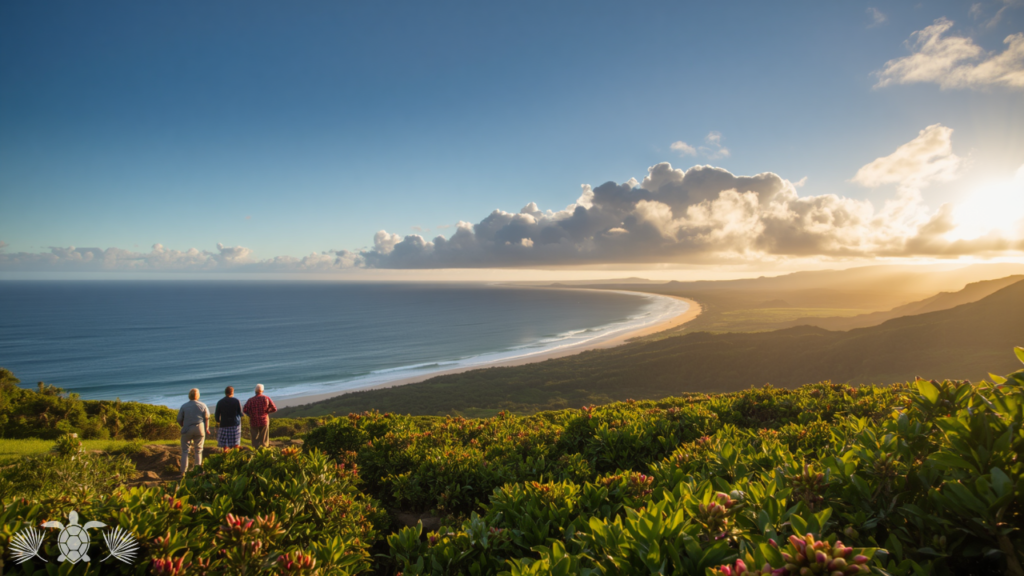
Temperatures drop five to ten degrees. Trade winds pick up. The views open into sweeping Pacific panoramas that stretch to the horizon. The pace shifts from coastal energy to something quieter and more deeply rooted.
This is the Kona neighborhood zone that surprises retirees most — and converts them most completely. I have worked with buyers convinced they wanted an Alii Drive condo who ended up in Holualoa after two days at elevation. The sunset view from 1,500 feet has a way of reordering priorities.
The property mix here leans toward single-family homes and smaller multi-unit buildings rather than large condo complexes. Neighbors tend to be a mix of longtime local residents, artists, farmers, and retirees from California and Oregon who specifically sought the upcountry lifestyle.
For retirees with heat sensitivity, elevation is a practical advantage. Temperatures at 1,000 to 2,000 feet run noticeably cooler than the coast, and consistent trade winds eliminate the need for air conditioning most days of the year.
The honest tradeoff: Central Kona requires a car for virtually everything. Kona town sits 15 to 25 minutes downhill. For retirees who value privacy and extraordinary views above walkability, that tradeoff is well worth making.
South Kona and Kealakekua: Best for Retirees Who Want Authentic Community
South Kona — from Captain Cook through Kealakekua to Honaunau — is the most authentically local part of the West Big Island retirement picture. Retirees consistently discover it last and wish they had found it sooner.
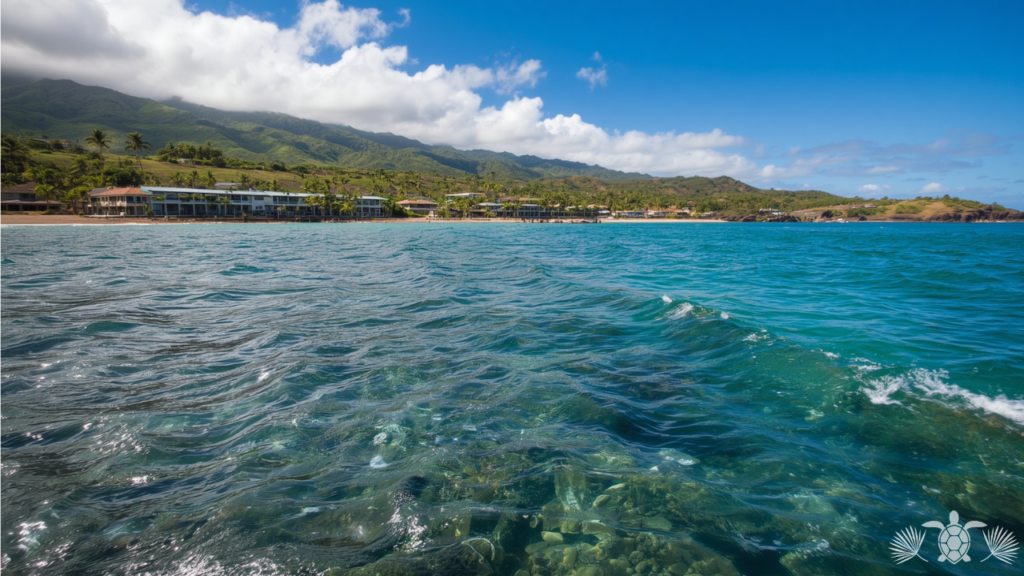
Kealakekua Bay sits at the heart of this community. A state marine preserve and one of the most pristine snorkeling environments in the Pacific, it is essentially the backyard of every South Kona resident. Spinner dolphins are a near-daily presence.
The community character here is tight-knit in a way that resort communities simply cannot manufacture. South Kona has a multigenerational local population — farmers, artists, teachers, and longtime Hawaii residents — that gives the area an authentic sense of place retirees find deeply satisfying.
From a financial perspective, South Kona offers some of the best remaining value on the West Big Island. Property prices run softer than comparable North Kona coastal properties, lot sizes are more generous, and the cost of entry is lower across most property types.
Water source is worth investigating carefully — some South Kona parcels rely on catchment systems rather than county water. Agricultural zoning is also common, affecting permitting and land use in ways that require a knowledgeable local agent and a Hawaii real estate attorney to navigate properly.
Waimea: The Retirement Surprise Nobody Sees Coming
Waimea sits north of the Kona corridor but belongs in every West Big Island retirement conversation — because it surprises retirees more consistently than any community I work in.
At 2,700 feet, Waimea is cooler, greener, and foggier than anything in Kona. Parker Ranch still operates across open pastures that define the town’s character. The Waimea Farmers Market is one of the finest on the island. The farm-to-table restaurant scene is exceptional.
What retirees discover here is a genuine four-season feel by Hawaii standards. Sweater weather in the evenings. Crisp mornings. A quality of light and air that feels categorically different from the coast. For retirees who love Hawaii but worry about heat and humidity, Waimea resolves that concern entirely.
Real estate here skews toward single-family homes and ranch properties. Inventory stays consistently tight because turnover is low — the people who end up in Waimea tend to stay for decades. Competition for well-priced properties can be surprisingly strong.
The airport is approximately 45 minutes away — a realistic consideration for retirees with frequent mainland travel needs, but manageable for the lifestyle Waimea delivers.
Ready to Find Your Retirement Home on the West Big Island?
The right Kona neighborhood is not the one with the most impressive listing photos. It is the one that fits how you actually want to live — the pace, the community, and the practical logistics of daily life ten years from now, not just today.
Every successful match I have made started with the same conversation — an honest discussion about what truly matters, what the realistic tradeoffs are, and which specific neighborhood delivers the version of Hawaii retirement that fits your real life.
That conversation starts here.