
Buying property on the Big Island — whether in Kona, Captain Cook, Waikoloa, Hilo, or Kohala — is exciting. But for mainland and international buyers, the Escrow Process in Hawaii can feel unfamiliar and even overwhelming at first.
The good news? Escrow isn’t complicated once you understand it. In fact, the Escrow Process in Hawaii is designed to protect everyone involved. When you know what to expect — timelines, responsibilities, contingencies, and local nuances — you move from anxious to empowered.
This guide breaks it down clearly, step by step, so you can approach your Hawaii purchase with confidence.
What Is Escrow and Why It Matters in Hawaii
Escrow is a neutral third-party system that holds money and documents while a real estate transaction is being completed.
Think of escrow as a secure bridge between buyer and seller.
During the Escrow Process in Hawaii, an independent escrow company:
Holds your earnest money deposit
Ensures contract deadlines are met
Coordinates documents
Prepares final settlement statements
Transfers funds safely
Records the deed
Escrow protects buyers from paying before the seller delivers clear title — and protects sellers from transferring ownership before payment is secured.
For mainland and international buyers, Hawaii escrow can feel different because:
Funding often occurs before recording
Timelines are structured differently
Repairs may be handled through holdbacks
Wire fraud precautions are especially important
Remote signings are common
Understanding these nuances eliminates surprises.
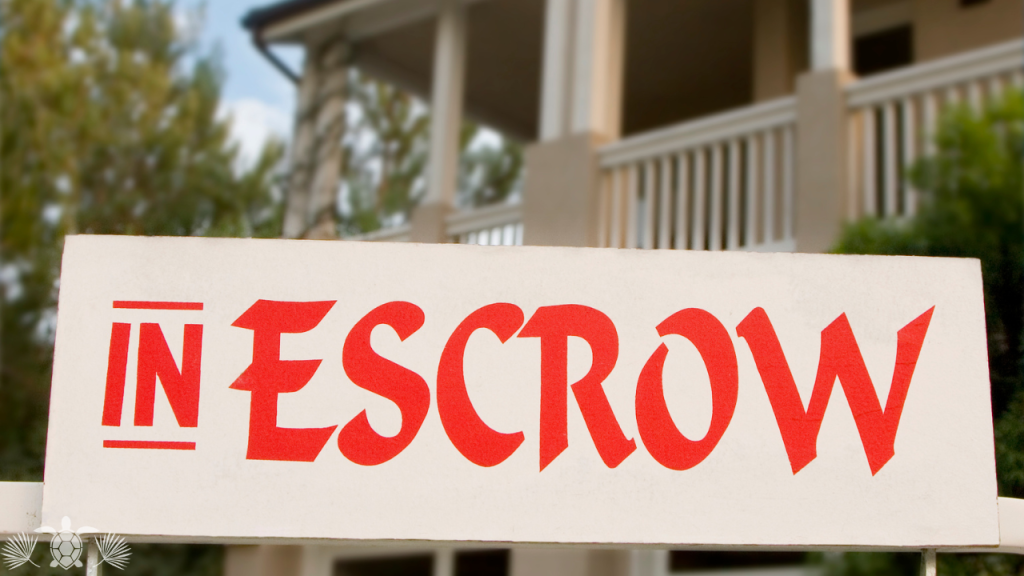
How the Escrow Process in Hawaii Works (Step-by-Step)
Here’s a simplified timeline from accepted offer to keys.
Step 1: Open Escrow
Once an offer is accepted in Kona, Captain Cook, or elsewhere on the Big Island:
Escrow is officially opened.
Earnest money is deposited (typically within 1–3 days).
Escrow officer sends opening documents.
Step 2: Review Period (Often 10/5/2 Days)
Hawaii contracts often use structured review timelines:
Inspection period (commonly 10 days)
Seller response period (5 days)
Buyer response to seller’s response (2 days)
This structured review period is one of the most unique aspects of the Escrow Process in Hawaii.
Step 3: Title Review
Escrow orders a Preliminary Title Report.
Buyers review:
Easements
Covenants
HOA restrictions
Encumbrances
Leasehold vs fee simple status (important in areas like Kona)
Step 4: Inspections
Common inspections include:
Home inspection
Termite (pest) inspection
Roof inspection
Septic or cesspool (in some Big Island areas)
Catchment systems (common in South Kona or Volcano)
Step 5: Appraisal (If Financing)
If using a lender, appraisal is ordered after inspections.
Step 6: Loan Contingency Removal
Buyer confirms final loan approval.
Step 7: Final Walkthrough & Signing
Buyers often sign remotely via notary if not physically in Hawaii.
Step 8: Funding & Recording
Funds are wired. Escrow confirms receipt. Deed records with the Bureau of Conveyances.
Keys are released.
Typical timeline: 30–45 days, though Big Island closings may extend depending on financing or documentation.
Who Does What in the Escrow Process in Hawaii
Clarity prevents stress. Here’s how responsibilities break down:
Buyer
Deposit earnest money
Schedule inspections
Apply for financing
Review documents
Meet contingency deadlines
Wire funds securely
Seller
Provide disclosures
Respond to inspection findings
Deliver clear title
Complete agreed repairs
Real Estate Agents
Coordinate timelines
Track contingencies
Negotiate inspection issues
Communicate between parties
Keep escrow moving forward
Escrow Officer
Holds funds
Prepares settlement statement
Coordinates title
Ensures legal compliance
Records deed
Title Company
Issues title insurance
Identifies encumbrances
Verifies ownership history
Lender (If Applicable)
Underwrites loan
Orders appraisal
Provides funding
The Escrow Process in Hawaii works smoothly when each party understands their role.

Unique Aspects of Hawaii Escrow
A. Escrow Holdbacks & Repairs
Repairs are often handled via holdbacks rather than completed before closing. For example:
Seller credits funds into escrow
Funds released after repair completion
This is common in Kona and Waikoloa transactions.
B. Wire Fraud Protection
Hawaii has experienced sophisticated wire fraud attempts.
Best practices:
Always call escrow using a verified phone number
Never rely solely on email instructions
Confirm wiring instructions verbally
C. Remote Closings
Most mainland and international buyers sign remotely.
You may:
Sign with local notary
Use mobile notary
Overnight documents back to Hawaii
D. Timeline Nuances
Though 30–45 days is common, delays may occur due to:
Island inspection scheduling
HOA document delays
International banking transfers
Patience and preparation matter.
Common Escrow Contingencies in Hawaii
Understanding contingencies is critical in the Escrow Process in Hawaii.
Typical contingencies include:
Inspection contingency
Title contingency
Financing contingency
Appraisal contingency
Review period contingency
These contingencies protect buyers and create structured exit opportunities if issues arise.
Escrow Costs: What Buyers & Sellers Pay
While exact figures vary, here’s a general breakdown.
Buyers Typically Pay:
Escrow fee (often split)
Title insurance policy
Recording fees
Lender fees
Prorated property taxes
HOA prorations (if applicable)
Sellers Typically Pay:
Real estate commission
Conveyance (transfer) tax
Half of escrow fee (often)
Outstanding HOA dues
Escrow fees commonly range between 1–2% combined transactional costs when including title and associated services — though this varies based on price and structure.
Buyer Preparation Checklist
Before entering escrow in Kona, Captain Cook, or Waikoloa:
✔ Get pre-approved (even if cash)
✔ Gather identification documents
✔ Verify funds early
✔ Schedule inspectors quickly
✔ Understand contingency deadlines
✔ Confirm wire instructions verbally
✔ Stay responsive
Prepared buyers close smoothly.
Common Escrow Issues — and How to Avoid Them
Inspection Delays
Solution: Book inspections immediately after acceptance.
Title Exceptions
Solution: Review preliminary title early.
HOA Delays
Solution: Request documents immediately.
Wire Delays
Solution: Send funds early; avoid last-minute transfers.
Miscommunication
Solution: Stay in regular contact with your agent.
Escrow problems rarely happen suddenly — they usually stem from missed deadlines or delayed communication.
Escrow Is Protection, Not Bureaucracy
The Escrow Process in Hawaii may feel different than mainland transactions, but it is structured to protect your investment.
Whether you’re buying in Kona, Captain Cook, Waikoloa, Kohala, or Hilo, escrow is not something to fear — it’s a safeguard.
When you understand:
The timeline
Your responsibilities
Local nuances
Contingencies
Costs
You move forward confidently.
Buying property on the Big Island should feel exciting — not confusing. With the right local guidance, the Escrow Process in Hawaii becomes a clear, organized path to ownership.
If you’re considering buying on the Big Island and want a clear, strategic understanding of the escrow process — especially as a mainland or international buyer — I’d love to help.