
I am not here to talk you out of moving to the Big Island. Quite the opposite — I have watched hundreds of mainland relocators land on the West Side and build genuinely extraordinary lives here. But the ones who thrive are almost always the ones who came prepared. Not just financially prepared. Mentally, logistically, and emotionally prepared for a place that operates by its own rules.
Everyone tells you Hawaii is paradise. Nobody tells you what paradise actually costs, what it requires, and what it feels like six months after the moving container arrives.
This is the honest guide I give every serious buyer who tells me they are thinking about making the move. Not the version designed to get you excited. The version designed to get you ready.
1. Shipping Your Life Here Costs More Than You Think — and Takes Longer Too
Let’s start with the first thing that surprises almost every mainland relocator without exception.
Getting your belongings to the Big Island is not like moving across state lines. There is an ocean involved — a very large one — and the logistics of crossing it add cost, time, and complexity that most people significantly underestimate in their relocation budget.
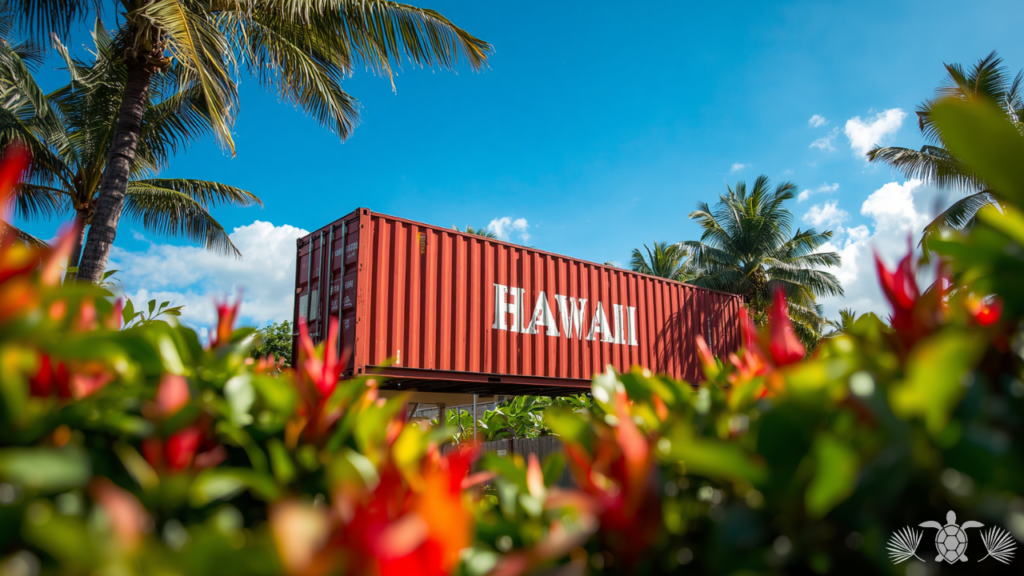
A standard 20-foot shipping container from the West Coast typically runs $3,000 to $5,000 for the container itself, plus port fees, drayage, and delivery on the Big Island that can push the total to $6,000 to $10,000 or more depending on your origin point and the volume you are moving. From the East Coast or Midwest, add significantly to those numbers.
Transit time from the West Coast typically runs three to six weeks door to door. That means planning for a period where you are living in your new Big Island home without most of your furniture and belongings — a detail that catches first-time island movers completely off guard.
The practical advice I give every client: ruthlessly edit before you ship. The Big Island has a healthy furniture resale ecosystem, and buying locally upon arrival is often more cost-effective than shipping heavy or bulky items across the Pacific. Sell or donate before you leave and replace strategically after you arrive.
Also worth knowing: many items that make sense on the mainland do not make sense here. Heavy wool rugs, thick duvets, and winter clothing occupy expensive container space and serve almost no purpose on the West Side. Ship light, ship smart, and budget honestly.
2. The Big Island Is Not One Place — and Where You Land Changes Everything
This is the mistake I see mainland relocators make most consistently, and it costs some of them dearly.
People say they are moving to the Big Island as if it were a single destination with a unified character. It is not. The Big Island is the largest island in the Hawaiian chain — larger than all the other Hawaiian islands combined — and the lifestyle, climate, and community character vary so dramatically across its regions that choosing the wrong area can undermine an otherwise perfect relocation.
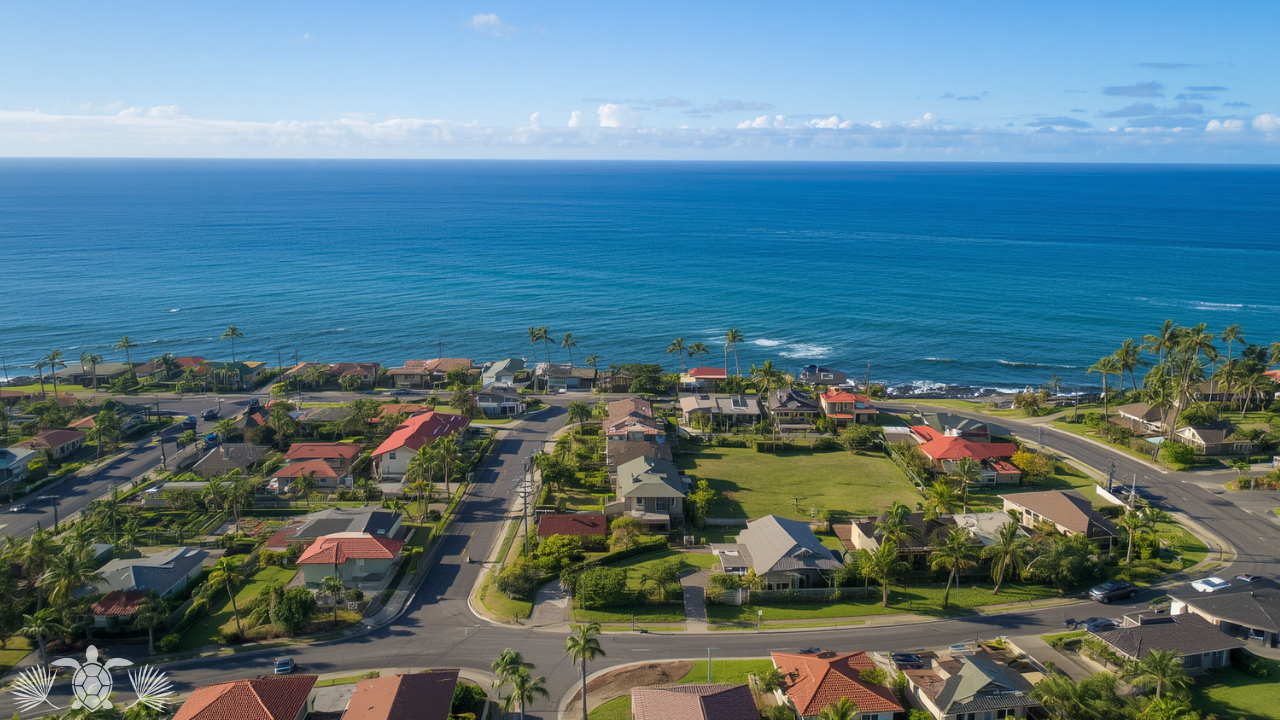
The West Side — Kona, Waikoloa, Kealakekua, Kohala, and Waimea — is sunny, dry, and resort-oriented. It attracts mainland relocators, retirees, remote workers, and investors. It has the infrastructure, the services, and the community density that most people moving from the mainland expect.
The East Side — Hilo, Puna, and the surrounding areas — is lush, green, dramatically cheaper, and receives over 100 inches of rain per year in many locations. It is beloved by long-term Hawaii residents and people seeking a more off-grid, alternative lifestyle. It is not what most mainland relocators are imagining when they picture their Hawaii life.
I work exclusively on the West Side and know every micro-market at street level. But before you commit to a specific property anywhere on the island, spend at least two to three weeks living in the area you are considering — not vacationing, living. Cook your own meals. Do your own grocery runs. Drive the roads you would drive every day. The difference between visiting a place and living in it is enormous, and the Big Island makes that difference feel larger than almost anywhere else.
3. Lava Zones Are Real and They Affect Your Insurance, Financing, and Peace of Mind
If you have been browsing Big Island listings online, you have probably seen lava zone designations mentioned in property descriptions and wondered how seriously to take them.
Take them seriously.
Hawaii County assigns every parcel on the Big Island a lava zone rating from Zone 1 — highest volcanic risk, directly adjacent to active rift zones — to Zone 9, the lowest risk designation. These zones are not theoretical. The 2018 Kilauea eruption destroyed more than 700 homes in Lana Puna, most of which sat in Zone 1 and Zone 2.
Lava zone directly affects three things that matter enormously to buyers: insurance availability, insurance cost, and financing options.
Properties in Zone 1 and Zone 2 face severely limited insurance options — some standard carriers will not write policies on these properties at all, and those that do charge significant premiums. Certain conventional loan products are also unavailable for Zone 1 properties, limiting your financing options at purchase and potentially limiting your buyer pool when you eventually sell.
Most of the West Side — Kona, Waikoloa, Kohala, and Waimea — sits primarily in Zones 3 through 6, which are generally insurable through standard carriers and financeable through conventional and government loan products. This is one of the structural advantages of the West Big Island over the more volcanically active East Side.
My rule for every buyer I work with: know the lava zone of any property before you fall in love with it. Verify it through official Hawaii County records, not just the listing description. And factor insurance cost into your monthly carrying cost calculations before you make an offer.
4. Vog Is a Real Thing and It Affects Daily Life More Than You Expect
Here is one that almost never appears in any relocation guide and surprises virtually every mainland newcomer within their first few months on the island.
Vog — volcanic smog produced by ongoing volcanic activity at Kilauea on the East Side — is a persistent atmospheric reality on the Big Island. On high-vog days, the air takes on a hazy, slightly sulfurous quality that is immediately noticeable to newcomers and can cause respiratory irritation for sensitive individuals.
The West Side is better positioned than the East Side when it comes to vog, thanks to the prevailing trade wind patterns that typically push volcanic emissions southward and eastward. But vog is not absent from Kona and the surrounding areas — on days when the trade winds shift or diminish, vog can settle over the West Side with noticeable intensity.
For most healthy adults, vog is a nuisance rather than a serious health concern. For individuals with asthma, respiratory conditions, or cardiovascular sensitivities, it deserves serious consideration as a quality of life and health factor before committing to island living.
Practical steps: monitor the University of Hawaii’s Vog Measurement and Prediction Project before your relocation visits to understand what typical conditions look like across different seasons. Keep an air purifier available for high-vog days. And know that vog levels fluctuate significantly with volcanic activity — periods of lower eruption intensity bring dramatically cleaner air.
5. Island Time Is Not Just a Saying — It Is an Entire Operating System
You have heard the phrase. You have probably laughed at it as a charming cultural quirk. Six months into your Big Island life, you will understand it in an entirely different way.
Island time on the Big Island is a genuine recalibration of expectations around pace, timelines, and the way services operate. Contractors take longer to schedule. Deliveries from the mainland arrive on the island’s timeline, not Amazon’s. Government offices and service providers operate with a patience and unhurriedness that can feel maddening to someone fresh off a mainland schedule.
This is not a complaint — it is an orientation. The West Big Island is not a slow place because people do not care. It is a slow place because the culture here genuinely prioritizes different things than mainland urban culture does. Relationships matter more than transactions. Community matters more than efficiency. The ocean is right there and it will still be right there after the meeting ends.
The relocators who struggle most with island time are the ones who resist it. The ones who thrive are the ones who recognize it as one of the things they actually moved here for — even if they did not name it that way when they were packing the container.
Build more time into every project timeline. Find local contractors through personal recommendations rather than online searches. Develop patience as a genuine daily practice. The Big Island will reward that patience in ways that are difficult to fully describe from the mainland.

6. The Cost of Living Will Surprise You Even After You Have Researched It
You have done your research. You know Hawaii is expensive. You have read the articles and adjusted your budget accordingly.
It is still going to surprise you.
Groceries on the Big Island run 30% to 60% higher than mainland averages depending on the item. Much of what you buy has been shipped across the Pacific, and that shipping cost is embedded in every price tag. A gallon of milk, a box of cereal, a bag of dog food — all of it costs more, sometimes significantly more, than what you are used to paying.
HELCO electricity rates are among the highest in the country — three to four times the mainland average for residential customers. A home without solar on the West Big Island can easily generate monthly electric bills of $300 to $600 or more depending on size and usage. Owned solar systems are the single most effective mitigation for this cost, and I always advise buyers to prioritize properties with owned solar systems over those with leased systems or no solar at all.
Healthcare costs, vehicle maintenance — the salt air environment accelerates corrosion on cars — and the premium on skilled contractors who are in consistently high demand all add to a cost of living picture that is meaningfully higher than most mainland markets.
The financial offsets are real but require planning. No state income tax on most retirement income. Low property tax rates for owner-occupied homes. The elimination of costs that simply do not exist here — winter heating bills, certain clothing categories, entertainment expenses that the ocean replaces for free.
Build a detailed Big Island budget before you commit. Then add 15% to 20% to your cost-of-living estimates and see if the numbers still work. If they do, you are ready.
Visit HELCO to find out more.
7. The Big Island Has a Way of Becoming Permanent — Plan Accordingly
This last one is less a warning than a genuine observation from years of working with mainland relocators on the West Side.
People move to the Big Island thinking they will try it for a year or two. They sell the house five years later — to move somewhere bigger on the island.
There is something about this place that gets into people deeply and does not let go. The morning light over the Pacific. The way the trade winds move through an open lanai at dusk. The farmers market conversations and the neighbor who drops off mangoes from their tree and the fact that the ocean is always, always right there.
The relocators who plan for permanence from the beginning make better decisions. They buy in the right neighborhood for the long term rather than the most convenient one for the short term. They invest in the relationships and the community rather than treating the move as an extended vacation. They put down roots — sometimes literally, with a garden or a fruit tree or a small coffee plant — and discover that the Big Island grows things remarkably well.
Plan your move to the Big Island as if you are never leaving. Because the honest truth is — most people do not.
Ready to Make Your Move to the Big Island?
Moving to the Big Island is one of the most significant decisions most people will ever make. The ones who get it right are the ones who went in with honest information, realistic expectations, and a local expert in their corner from the beginning.
I work exclusively across the West Big Island — Kona, Waikoloa, Kealakekua, Kohala, and Waimea — and I have guided mainland relocators through every stage of this process more times than I can count. The right neighborhood, the right property, the right due diligence, and the right preparation make the difference between a move that transforms your life and one that becomes an expensive lesson.
Let’s make sure yours transforms your life.