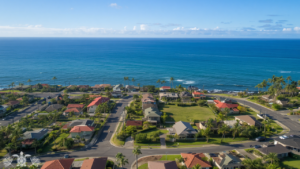

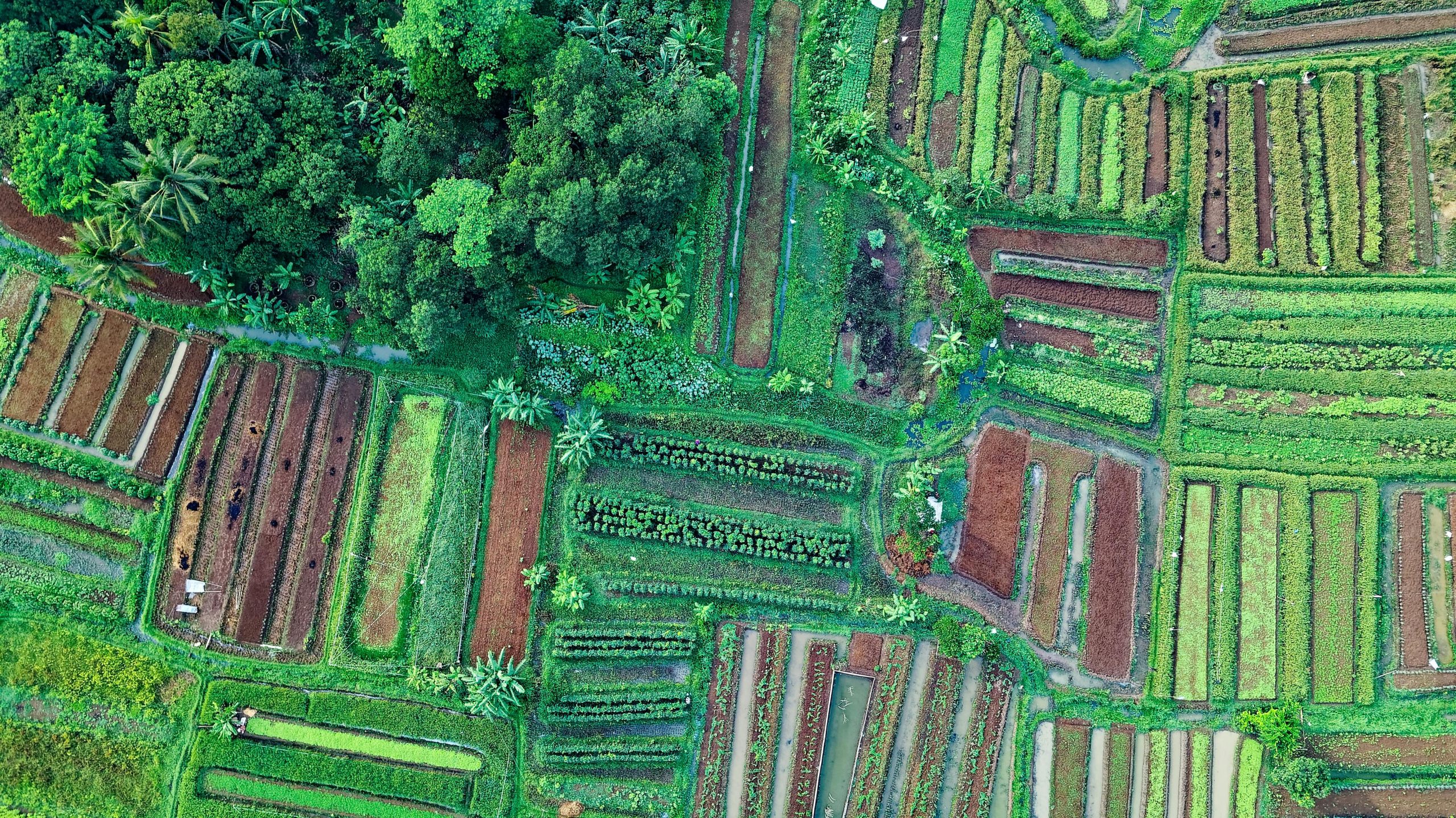
Living on ag land in Kailua Kona, Hawaii, may seem like an idyllic dream: beautiful landscapes, fresh air, and plenty of space to grow your own food. But is farming or engaging in other agricultural activities a requirement for living on this type of land? The answer is not as straightforward as you might think. As a resident of Kailua Kona, I’ve delved into the intricacies of this topic, and it’s quite fascinating how agricultural land laws work in Hawaii. Let me walk you through everything you need to know about living on agricultural land, especially if you’re in Hawaii like me.
Agricultural Land on the Big Island: A Unique Setting
Agricultural land, or “ag land,” is designated for farming, livestock, and other agricultural-related purposes. Here in Kailua Kona, much of the available land falls under this category. It’s important to understand that zoning regulations heavily influence what you can and cannot do on agricultural land. This is where things can get a little tricky, especially if you’re thinking of building a home or just living on such a property without intending to farm.
In Kailua Kona, ag land is often viewed as a balance between rural living and agricultural enterprise. With that said, you may wonder if living on this land obligates you to actively farm or raise animals. Fortunately, Hawaii’s agricultural zoning laws allow for some flexibility—though it’s crucial to be aware of the local stipulations that come into play.
What Makes Land “Important” in Hawaii? (A Quick Look at IAL)
You might have heard the term “Important Agricultural Lands,” or IAL, tossed around in conversations about farming or land ownership on the Big Island (and throughout Hawaii). But what does that really mean?
Back in the late 1970s, Hawaii took deliberate steps to identify and safeguard certain pieces of land for their exceptional suitability for agriculture. The idea behind IAL is to ensure that there’s always a reliable supply of high-quality land kept available for farming, well into the future.
Why does this matter? Well, these lands are considered especially valuable for growing crops or raising livestock, and the goal is to promote local food production, support a thriving agricultural economy, and make the islands less dependent on imports. By designating and protecting IAL, Hawaii aims to nurture diversified agriculture, encourage self-sufficiency, and make sure future generations have space and soil to keep farming traditions alive. It’s a long-term investment not just in farming, but in the sustainability, resilience, and food security of our communities.
Zoning Regulations and Hawaii’s Agricultural Districts
Hawaii’s land-use system is broken down into four major districts: Urban, Rural, Conservation, and Agricultural. Agricultural land is primarily reserved for farming activities, but this doesn’t necessarily mean you’re required to farm the land if you live on it.
In Kailua Kona and other parts of Hawaii, agricultural land can be subdivided into parcels, some of which can accommodate residential homes. The state acknowledges that while ag land is intended for farming and other agricultural activities, there is room for individuals to live on such properties without necessarily turning their homes into full-fledged farms.
The key lies in zoning regulations, which dictate the size of the land, its intended use, and any requirements associated with it. For example, while larger parcels are more likely to be strictly used for farming, smaller agricultural lots may be zoned to allow both farming and residential living without the explicit need to actively farm.
Are Second Dwellings Allowed on Agricultural Land in Hawai’i?
In Hawai’i, the regulation of second dwellings on agricultural land is quite specific. The County Code sets clear guidelines: second and subsequent dwellings, often referred to as “Ohana dwellings,” are generally prohibited on agricultural land unless they serve a farm-related function.
Key Points to Consider
- Primary Purpose: The primary focus is on agricultural use. Any additional dwelling must directly relate to farming activities.
- Regulatory Details: The County Code outlines these conditions, emphasizing the importance of maintaining the agricultural integrity of the land.
- Exceptions: If there’s a valid agricultural necessity, exceptions may be possible, allowing for farmhands or farm-related purposes.
Understanding these regulations is crucial for anyone considering building on agricultural land in Hawai’i. Always consult with local planning authorities to ensure compliance with current policies.
Understanding County Code vs. State Law in Hawai`i for Agricultural Land
In Hawai`i, residential construction on agricultural land is governed differently by state laws and county codes. Here’s a breakdown of how they differ:
County Code Provisions
- Single-Family Dwellings: County codes, such as those in Hawai`i County, typically permit one single-family home per building site within the Agricultural District. This permission extends to areas like the Puna Subdivisions and certain parts of Hilo, where land is zoned for agriculture.
- Additional Dwellings: Building a second residence on agricultural land is more complex. County codes restrict this unless the additional dwelling serves a farm-related purpose. For instance, a farmworker’s residence might be possible, but a non-farm-related second kitchen-equipped home is generally prohibited unless a comprehensive farm plan is approved.
State Law Overview
- General Land Use Guidelines: State laws provide overarching regulations for land use, including agricultural zones. These laws often emphasize preserving agricultural land for farming and related activities rather than residential development.
- Consistency with County Rules: While state guidelines establish broad principles, they typically defer specific residential construction permissions to local county codes. Counties have the autonomy to enact more detailed regulations that better fit their regional planning needs.
Key Takeaways
- Harmony with Agriculture: Both state laws and county codes aim to protect agricultural land by limiting non-agricultural development.
- Local Adaptability: County codes often reflect local needs and conditions more accurately, allowing tailored application of these principles across different areas.
In essence, while state laws set the larger framework for agricultural land preservation, county codes provide more granular rules, particularly concerning residential development. Understanding both layers of regulation is critical for property development in Hawai`i‘s agricultural zones.
The Historical Context of Ohana Dwellings on Agricultural Land in the County of Hawai`i
Historically, Ohana dwellings have played a significant role in the landscape of agricultural (Ag) land in Hawai`i County. For years, each county was responsible for managing and issuing permits for these secondary homes, resulting in a variety of policies over time. In the past, it was not uncommon to find Ohana homes nestled within agricultural lands, fulfilling the dual purpose of family housing and supporting farming communities.
Legal Developments
About 15 years ago, a shift in legislation began to restrict new Ohana dwellings on Ag lands, marking a significant change in local policy. Despite this restriction, numerous legally built Ohana homes still exist on agricultural property, a testament to their previous acceptance and utility.
Permit Usage
Permits for Ohana dwellings were at times issued but remained unused, creating a nuanced legal landscape. The contemporary validity of an Ohana permit is closely tied to its original issuance date. This historical backdrop underlines the evolution of land use policies and their impact on residential planning in agricultural zones across the county.

Can You Build a Home on Agricultural Land in Kailua Kona?
Yes, you can build a home on agricultural land in Kailua Kona, but there are certain conditions you must follow. The primary rule is that the land must still be used for agricultural purposes in some form. This doesn’t mean you have to run a commercial farm or dedicate your entire property to agriculture, but there should be some level of agricultural activity happening.
For instance, a homeowner might plant a small orchard, maintain a vegetable garden, or even raise a few chickens. These activities are often enough to meet the agricultural requirement set forth by zoning laws, especially in areas like Kailua Kona where residential and agricultural uses are more intertwined.
In some cases, you may be asked to submit a plan to local zoning authorities outlining how you intend to use the land for agriculture. This could be as simple as stating your intent to plant crops or establish a small garden. However, the enforcement of these rules can vary, and some homeowners find that minimal agricultural activity is sufficient to satisfy legal requirements.
Understanding Legal Restrictions
The Hawai`i Revised Statutes set clear guidelines for residential dwellings on agricultural land. These laws stipulate that any dwelling must be related to an agricultural activity, effectively making it a “farm dwelling.” This means your residence should align with some form of agricultural operation.
Penalties for Non-compliance
Be aware that non-compliance with these statutes carries significant penalties. A violation can result in a $5,000 fine. If the issue isn’t resolved within six months, an additional $5,000 fine may be imposed. This is crucial to consider when planning any construction on agricultural land.
Additional Dwellings
The same regulations apply to additional dwellings. For example, Ohana dwellings, or second homes, are not permitted unless they also serve an agricultural purpose. While you might consider building a guesthouse or maid’s quarters, these should not include a full kitchen unless you have an approved farm plan.

Balancing Residential and Agricultural Use
While the laws are strict, they do allow for some flexibility. For example, you could build a guesthouse or detached master bedroom without a full kitchen. These options provide ways to expand your living space without violating zoning laws, as long as they align with the agricultural use of the land.
Navigating these requirements may seem daunting, but understanding both the laws and penalties can help ensure that your plans for building on agricultural land in Hawai`i are legally compliant and sustainable.
The Difference Between Owning and Farming the Land
Many people are surprised to learn that you don’t necessarily need to be a farmer to own and live on ag land. As someone who has explored this issue extensively, I’ve found that the line between owning ag land and being required to farm is often blurred by misconceptions.
You can own agricultural land without the obligation to farm it yourself. In Kailua Kona, for example, some property owners lease portions of their land to local farmers or agricultural businesses. By leasing out a section of your land for agricultural use, you satisfy the agricultural requirement without having to personally manage farming activities.
This setup works well for people who want the peace and beauty of living on ag land without the responsibility of farming. It’s also a way to support local agriculture while still enjoying the benefits of rural living.
What Types of Agriculture Are Allowed?
If you decide to engage in agriculture, the options are diverse. Hawaii’s tropical climate, especially in areas like Kailua Kona, provides a unique environment for a wide variety of agricultural activities. From growing coffee, macadamia nuts, and tropical fruits to raising livestock, the opportunities are almost endless.
Hawaii County provides flexibility in what counts as agricultural activity. Small-scale farming operations, such as backyard poultry farming, planting fruit trees, or maintaining a sustainable garden, are often sufficient to meet the legal requirement for agricultural land use. It’s all about showing that the land is being utilized for agriculture in some capacity, even if it’s not a large-scale operation.

Hawaii’s “Farm Dwelling” Law
An important consideration when living on agricultural land is Hawaii’s “farm dwelling” law. According to this law, a dwelling on agricultural land is generally considered permissible as long as it’s associated with and supportive of agricultural activity. However, what this means in practice can vary widely.
In Kailua Kona, the enforcement of the “farm dwelling” law often depends on the specific lot and zoning details. For smaller parcels, the law might simply mean maintaining a garden or small agricultural project. For larger properties, it could mean dedicating more space to crop production or animal husbandry. If you’re planning to build a home on agricultural land, it’s essential to verify how the law applies to your specific situation.
If you violate the residential dwelling regulations on agricultural land in Hawai’i, you will face a hefty fine. Initially, each offense incurs a penalty of $5,000.
Additionally, if the issue is not resolved within a six-month timeframe, you will incur another $5,000 fine for the ongoing violation.
This means that ignoring the regulations can quickly become a costly affair, making compliance both a legal necessity and a financially wise decision.
Potential Challenges of Living on Agricultural Land
While living on ag land offers many benefits, such as open space and a connection to nature, there are also challenges to consider. Agricultural land often has fewer services compared to urban areas, and infrastructure like water, electricity, and roads may not be as developed.
Moreover, depending on the zoning, there may be restrictions on the types of structures you can build, and obtaining building permits might require more documentation. Noise and odor from nearby farms can also be an issue, especially if large-scale farming operations are nearby.
Additionally, the agricultural land designation often comes with restrictions on further subdividing or selling off parts of your property, so future development might be limited.
Living on Ag Land Without Farming: Is It Right for You?
If you’re drawn to the tranquility of agricultural land but don’t see yourself farming, there are still ways to enjoy this lifestyle. Many people in Kailua Kona find a happy medium by incorporating light agricultural activities—like gardening or leasing part of their property for farming—while primarily using the land for residential living.
It’s worth noting that agricultural land tends to be more affordable than urban land in Hawaii, which is another reason why some choose to live on it without becoming full-time farmers. But, it’s important to strike a balance between enjoying the space and adhering to legal obligations for agricultural use.
Understanding the Benefits of Agricultural Living
One of the best things about living on agricultural land in Kailua Kona is the connection to the land and the environment. The lifestyle is more self-sustaining, especially if you choose to grow some of your own food. You’re also contributing to Hawaii’s agricultural economy, even if you’re doing so on a smaller scale.
For those seeking a quieter, slower-paced life, ag land provides a perfect escape from the hustle and bustle of urban living. And let’s not forget the stunning views and beautiful landscapes that come with it!
FAQs
What counts as agricultural activity on ag land in Hawaii?
Agricultural activity can be as simple as growing a vegetable garden, planting fruit trees, or raising chickens. It doesn’t require large-scale farming.
Can I live on agricultural land without farming it?
Yes, in Kailua Kona and much of Hawaii, you can live on agricultural land without actively farming. However, some form of agricultural activity is often required.
Do I need a special permit to build a home on agricultural land?
Yes, building on agricultural land may require a permit, and the home must be associated with agricultural activity in some form.
Is it cheaper to buy agricultural land in Kailua Kona?
Agricultural land can be more affordable than urban land, but it comes with zoning restrictions that must be adhered to.
What types of crops can I grow on agricultural land in Kailua Kona?
Common crops include coffee, macadamia nuts, tropical fruits, and vegetables. The climate supports a wide variety of agricultural activities.
Can I lease my agricultural land for farming?
Yes, leasing part of your agricultural land to a local farmer or agricultural business is a common way to meet agricultural use requirements without personally farming.
To verify the validity of an Ohana permit, follow these steps:
- Contact Local Authorities: Reach out to the County Planning Department in your area. This department holds the records necessary to confirm the status of an Ohana permit.
- Submit a Request: You may need to submit a formal request for information. Some departments provide online forms or direct contact numbers for this purpose.
- Visit In-Person: If convenient, visiting the planning office in person can expedite the process and allow for immediate assistance.
- Check Documentation: Gather any documents related to the property. Previous owners might have paperwork that indicates the permit status, which can help in cross-referencing with the county’s records.
- Consult a Professional: Real estate professionals or lawyers who specialize in local zoning laws can offer valuable insights and guidance, ensuring you’re getting the most accurate information.
By taking these steps, you can confidently confirm the validity of an Ohana permit linked to a property.
Living on agricultural land in Kailua Kona, Hawaii, offers a unique opportunity to enjoy a rural lifestyle without necessarily becoming a full-time farmer. While you do need to engage in some form of agricultural activity, the flexibility of Hawaii’s zoning laws makes it possible to live comfortably on ag land with minimal farming. By understanding the legal requirements and carefully planning how you’ll use your land, you can enjoy the benefits of rural living while adhering to the agricultural zoning guidelines.
Unique Island Peculiarities for Hawai`i REALTORS®
Navigating the real estate landscape in Hawai`i involves an understanding of several unique island characteristics. Here are some key elements REALTORS® should be familiar with:
- Coqui Frogs: These tiny but noisy amphibians are a well-known presence in Hawai`i. While they add a tropical ambiance, their loud calls can be surprising to newcomers, making it important for REALTORS® to inform potential buyers about them.
- Catchment Tanks: In many rural areas, especially on the Big Island, homes rely on rainwater collected in catchment tanks. Understanding the maintenance and legal regulations surrounding these systems is crucial.
- Lava Zones: Real estate in Hawai`i is classified into lava hazard zones, which affects building codes, insurance, and financing. It’s essential to guide clients through what these zones mean for their property choices.
- Lava Tubes: These natural conduits formed by flowing lava can exist beneath properties. Awareness of lava tubes is vital as they may impact construction projects and property stability.
- Fee Simple vs. Leasehold: Knowledge of the differences between fee simple ownership, where the buyer owns the land outright, and leasehold properties, where land is leased, is crucial in advising clients on the right type of ownership.
- Permitting and Insurance: Due to the unique environmental conditions, permitting can be more complex, particularly in regard to environmental impact studies. Additionally, insurance must be carefully considered, especially in areas prone to volcanic activity.
- Vog: This volcanic smog, caused by volcanic eruptions, can affect air quality. REALTORS® should be prepared to educate clients on what vog means for daily life and health.
Understanding these aspects requires a blend of finesse, patience, historical insight, and experience. By being well-versed in these island specifics, REALTORS® can effectively guide clients through the unique challenges and opportunities of Hawai`i‘s real estate market.