


One of the most common questions I hear from buyers considering Big Island real estate is simple—but the answer isn’t: Should I buy a condo or a house? When deciding between a Condo or House on the Big Island of Hawaii, the choice goes far beyond price. Island-specific factors like HOA rules, rental regulations, insurance costs, maintenance, microclimates, and long-term value all play a role.
Whether you’re relocating full-time, purchasing a second home, or investing in a rental property, understanding the practical, financial, and lifestyle differences between a Condo or House can help you avoid costly surprises and confidently choose the property that truly fits your goals.
Let’s break it all down—Big Island style.

Condo vs. House on the Big Island: The Big Picture
At a high level, the Condo or House decision comes down to responsibility, flexibility, and lifestyle.
Condos are popular in areas like Kailua-Kona, Waikoloa Beach Resort, Mauna Lani, and parts of Hilo, offering convenience, amenities, and lower hands-on maintenance. Single-family homes dominate regions like Waimea, Kohala, South Kona, and Puna, providing space, privacy, and more control over the property.
On the Big Island, where climates, zoning, and infrastructure can vary dramatically from one neighborhood to the next, this choice has even more weight than on the mainland.
Buying a Single-Family Home on the Big Island
For many buyers, choosing a house means freedom—but also responsibility.
Pros of Buying a House
A single-family home gives you:
Full ownership of the land (usually fee simple)
No HOA rules or monthly dues
More privacy and space
Greater flexibility for renovations or additions
Better long-term appreciation potential in many areas
Homes in Waimea, Kohala Ranch, Kona coffee belt, and parts of Hilo often come with acreage, ocean views, or cooler climates—features that are hard to replicate in a condo setting.
Cons of Buying a House
However, owning a house on the Big Island also means:
You are responsible for all maintenance
Roofs, exteriors, and landscaping wear faster due to sun, rain, salt air, or humidity
Insurance costs can be higher
Utilities may include catchment water systems or off-grid power in some areas
Lava zone location matters more for homes than condos
If you value independence and long-term control, a house can be an excellent choice—but it’s not hands-off.
Buying a Condo on the Big Island
For buyers who prefer simplicity, a condo can be a smart alternative in the Condo or House debate.
Pros of Buying a Condo
Condos typically offer:
Lower purchase prices in prime locations
HOA-managed maintenance
Shared amenities like pools, gyms, BBQ areas, and security
Lock-and-leave convenience
Easier ownership for second-home buyers
Condos are especially popular in Kailua-Kona, Waikoloa, and resort areas along the Kohala Coast, where walkability and ocean access are key lifestyle perks.
Cons of Buying a Condo
The trade-offs include:
Monthly HOA fees (which can be substantial)
HOA rules that limit rentals, pets, or renovations
Less privacy than a single-family home
Special assessments for major repairs
Lower long-term appreciation in some markets
On the Big Island, HOAs vary widely—some are well-managed and transparent, while others require careful review before buying.
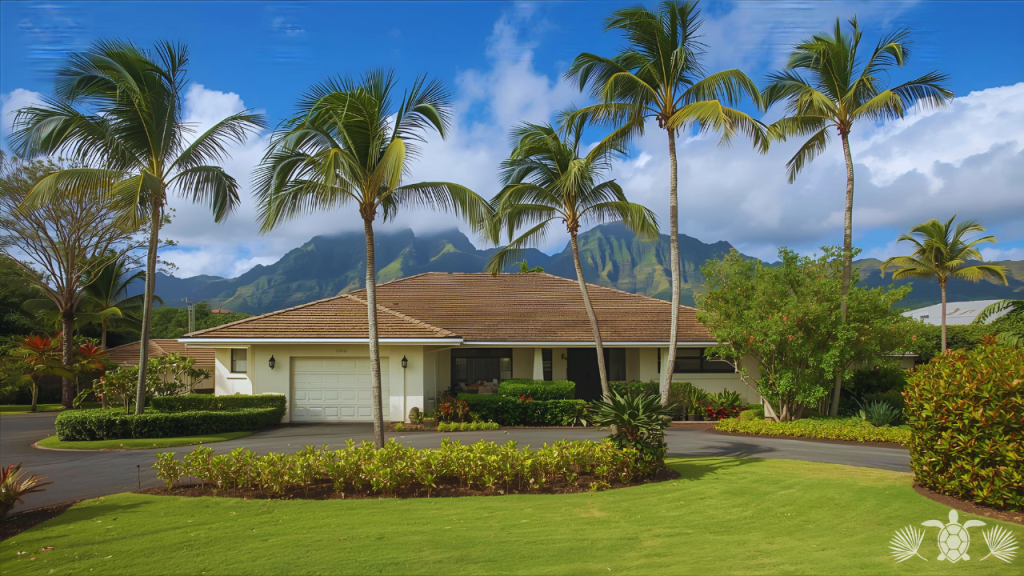
Cost Comparison: Condo or House on the Big Island
Price is often the deciding factor when choosing Condo or House, but it’s important to look beyond the purchase price.
Upfront Costs
Condos generally have a lower entry price, especially in resort areas.
Houses typically cost more upfront but include land ownership.
Ongoing Costs
Condos: HOA dues cover exterior maintenance, landscaping, insurance, and amenities.
Houses: No HOA, but you pay for everything—roof, paint, yard, utilities, pest control.
Long-Term Costs
HOA fees tend to increase over time.
Homes may require larger but less frequent capital expenses.
In Kailua-Kona, for example, a condo may seem cheaper monthly until HOA dues rival or exceed what a homeowner spends maintaining a house.
Rental & Investment Considerations
If rental income is part of your strategy, the Condo or House choice becomes even more nuanced.
Condos as Rentals
Some condos are zoned and permitted for short-term vacation rentals (STVR)
Others prohibit rentals entirely or require minimum lease terms
HOA approval is critical
Houses as Rentals
Houses may allow long-term rentals more freely
Short-term rentals depend heavily on zoning and county regulations
Some lava zones or rural areas are less attractive to renters
In areas like Waikoloa and Kona, permitted condo vacation rentals can perform well—but rules change, so local expertise is essential.

Financing, Insurance & Island-Specific Rules
This is where the Big Island differs most from mainland real estate—and where buyers often need guidance.
Financing
Condos may require additional lender approval
Leasehold condos have different financing rules
Houses in lava zones may face lending restrictions
Insurance
Condos often include exterior insurance through the HOA
Houses require full homeowner’s insurance
Lava zone, wind, and flood considerations affect pricing
Island-Specific Rules
Catchment water systems are common for houses
Some homes rely on solar or off-grid utilities
HOA CC&Rs can be strict in condo communities
These factors can significantly influence which option—Condo or House—is more practical for you.
Final Thoughts: Choosing Between a Condo or House
There’s no universal right answer when deciding between a Condo or House on the Big Island of Hawaii. The best choice depends on your lifestyle, budget, tolerance for maintenance, and long-term plans.
Condos offer ease, amenities, and location. Houses offer freedom, space, and control. Both can be excellent investments—or expensive mistakes—if chosen without local insight.
If you’re weighing the decision between a Condo or House on the Big Island and want personalized guidance based on your goals, location preferences, and budget, I’d love to help.